Clogged Gutter Clearing in Bergen County, NJ
Clogged gutter clearing services involve removing debris such as leaves, twigs, and dirt that block the flow of water through a property's gutter system. This service covers a variety of projects, including routine cleanings to prevent water damage, clearing out gutters after storms, and addressing specific blockages that cause overflowing or pooling. Property owners typically want to understand what types of debris are removed, how often gutters should be serviced, and whether the work includes inspecting and maintaining the overall gutter system to ensure proper drainage.
Before requesting gutter clearing, homeowners should consider the condition of their gutters and the presence of any existing damage or leaks. It’s helpful to know the size and layout of the property’s gutter system, as well as any nearby trees or landscaping that may contribute to frequent blockages. Clarifying the scope of work, such as whether cleaning includes downspouts and gutter guards, can also ensure that the project meets specific needs and helps protect the property from water-related issues.
Many property owners in Bergen County, NJ look into Clogged Gutter Clearing for repairs, replacements, upgrades, and appearance-related improvements.
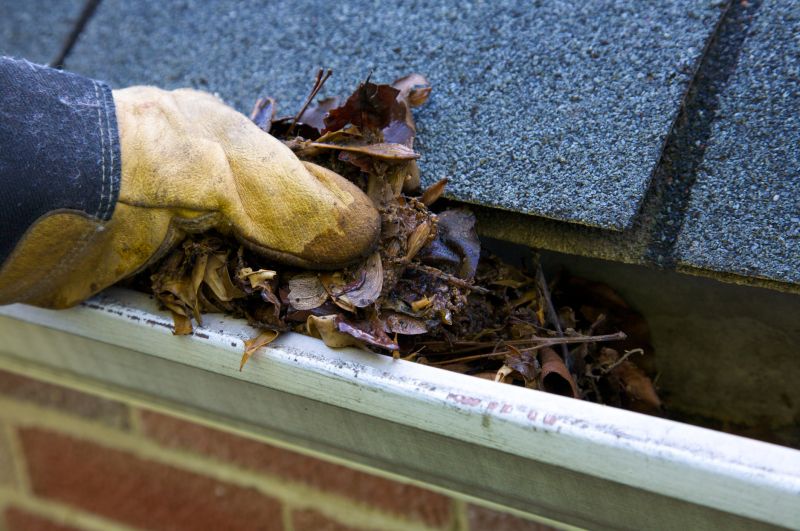
Gutter Blockages
Removing leaves, twigs, and debris to prevent water damage to bergen county homes.
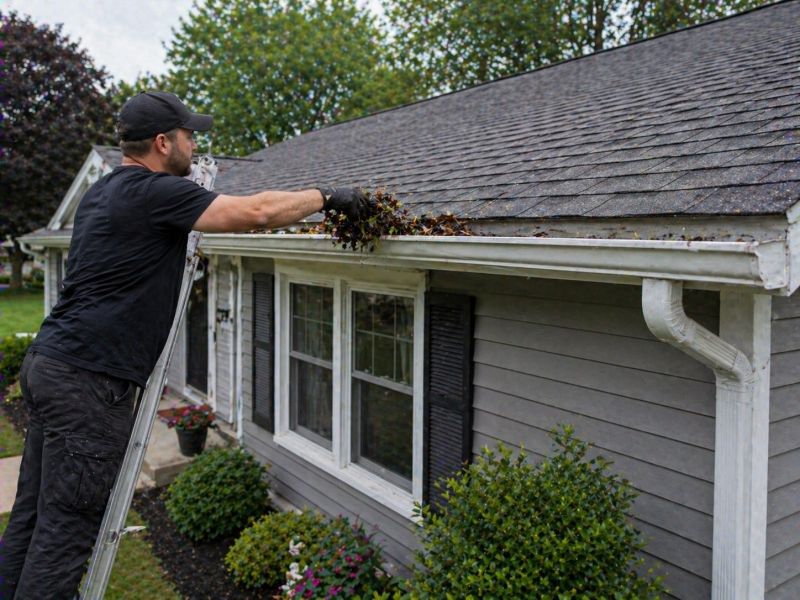
Prevent Water Damage
Ensuring gutters are clear to protect roofs and foundations during heavy rains.
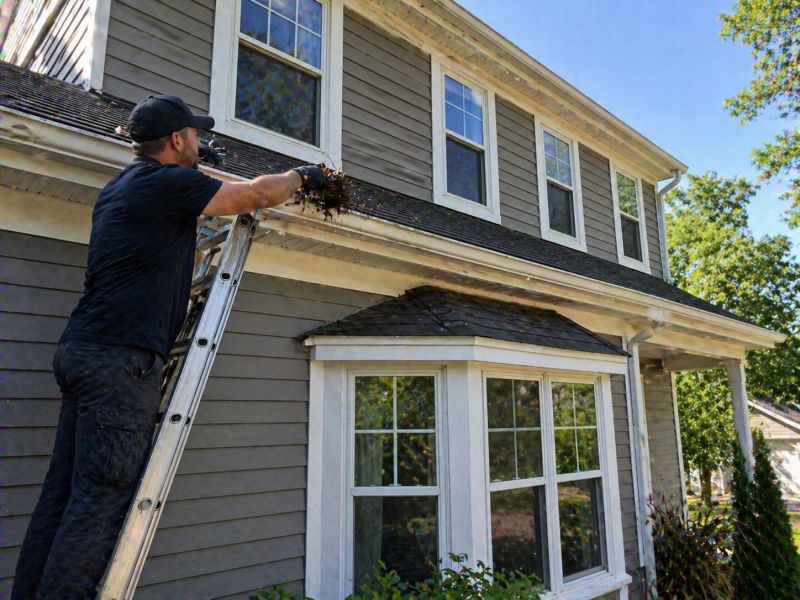
Maintenance Solutions
Regular gutter cleaning to keep drainage systems functioning properly year-round.
Clogged Gutter Clearing in Bergen County, NJ

Clogged gutter clearing services involve removing debris such as leaves, twigs, and dirt that block the flow of water through a property's gutter system. This service covers a variety of projects, including routine cleanings to prevent water damage, clearing out gutters after storms, and addressing specific blockages that cause overflowing or pooling. Property owners typically want to understand what types of debris are removed, how often gutters should be serviced, and whether the work includes inspecting and maintaining the overall gutter system to ensure proper drainage.
Before requesting gutter clearing, homeowners should consider the condition of their gutters and the presence of any existing damage or leaks. It’s helpful to know the size and layout of the property’s gutter system, as well as any nearby trees or landscaping that may contribute to frequent blockages. Clarifying the scope of work, such as whether cleaning includes downspouts and gutter guards, can also ensure that the project meets specific needs and helps protect the property from water-related issues.
Many property owners in Bergen County, NJ look into Clogged Gutter Clearing for repairs, replacements, upgrades, and appearance-related improvements.
Common Clogged Gutter Clearing Jobs
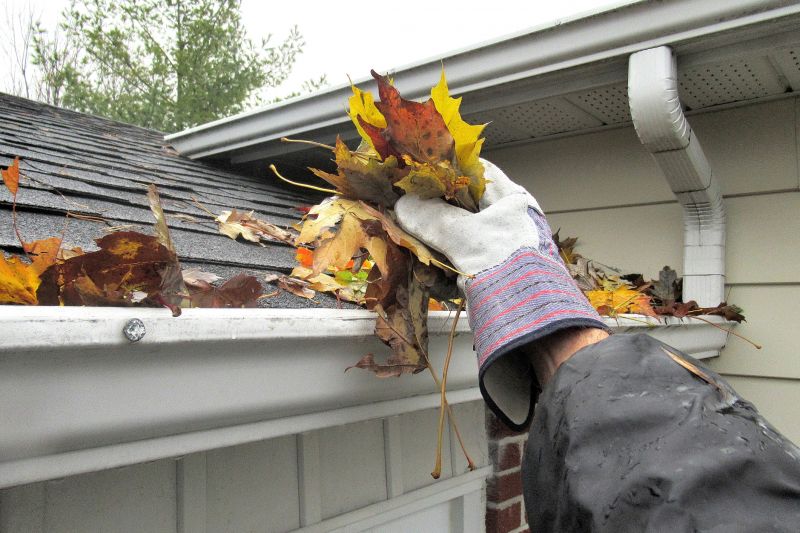
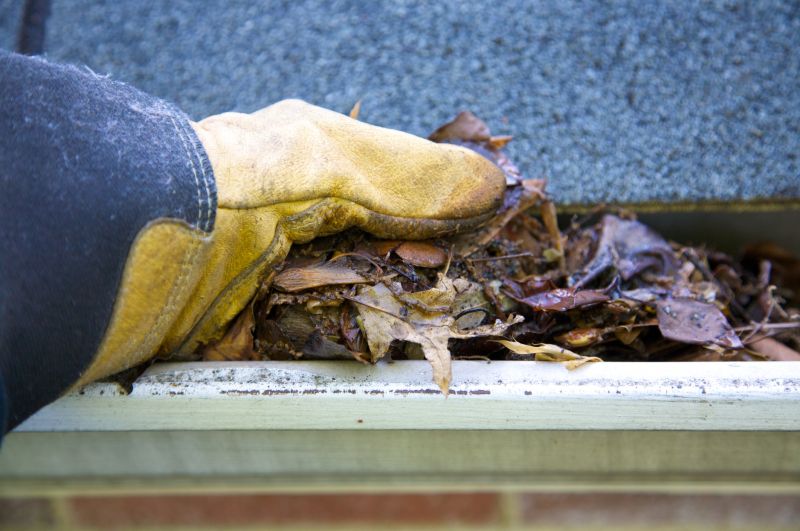
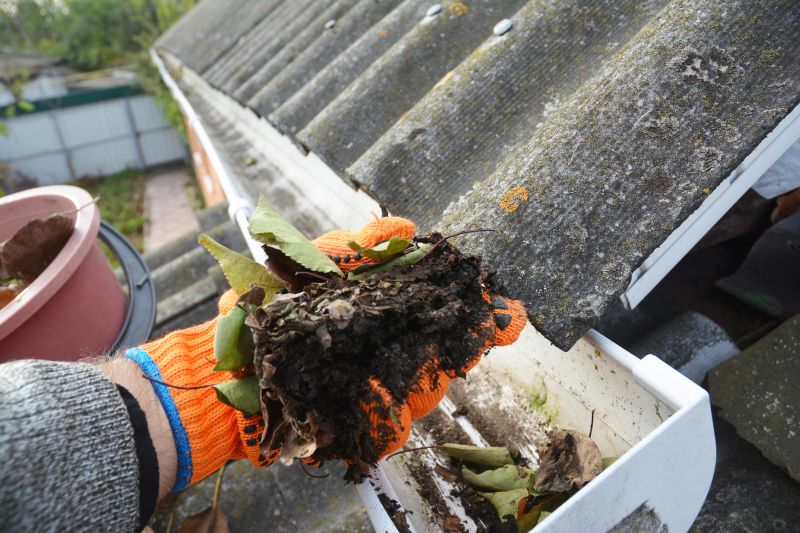
Gutter Cleaning - removal of debris to ensure proper water flow from the roof.
Clogged Gutter Inspection - identifying blockages and damage that may cause water overflow.
Downspout Clearing - clearing obstructions to prevent water backup and potential foundation issues.
Gutter Flushing - rinsing out gutters to remove dirt, leaves, and other debris.
Gutter Maintenance - checking for leaks, rust, and loose brackets to extend gutter lifespan.
Gutter Repair - fixing leaks, sagging sections, or damaged hangers for optimal drainage.
Clogged Gutter Clearing Questions
What causes gutters to become clogged? Leaves, twigs, and debris from nearby trees often block gutters, preventing proper water flow.
How can clogged gutters affect a property? Standing water can lead to water damage, mold growth, and foundation issues if not cleared.
What are common signs of clogged gutters? Overflowing water, sagging gutters, and water stains on the fascia are typical indicators.
Is gutter cleaning necessary regularly? Yes, routine cleaning helps maintain proper drainage and prevents buildup of debris.
Request Clogged Gutter Clearing in Bergen County, NJ
Use the quote form on this page to share the basics of your project and request more information for the type of work you need.